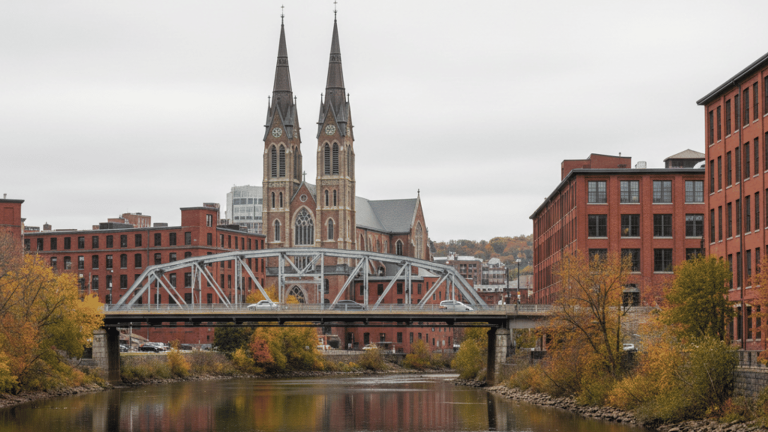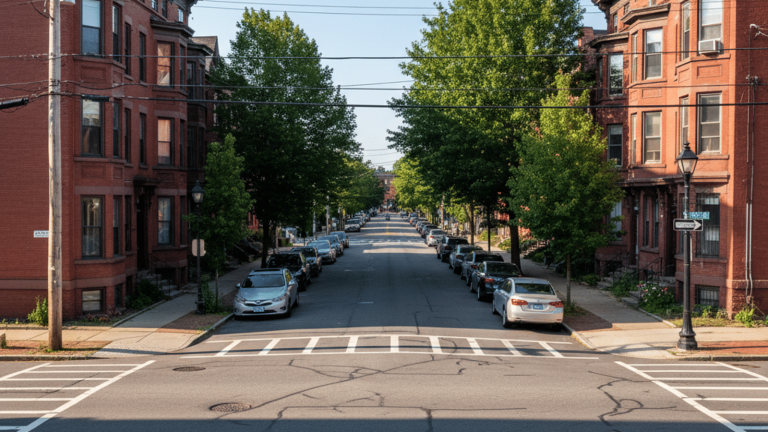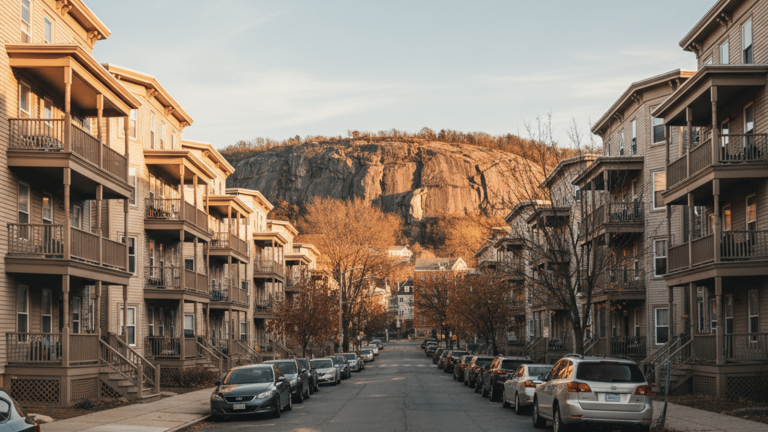

Welcome to one of the most stable, sought-after pockets of the Queen City. If you are looking at Manchester NH neighborhoods and want that specific blend of quiet suburban streets and legitimate city accessibility, Straw Smyth is likely on your radar—even if you didn’t know the name until recently.
Located in Northeast Manchester, this area is defined by its boundaries: the Hooksett town line to the north, I-93 to the east, and the historic North End to the west. The neighborhood gets its name from two former New Hampshire governors, Ezekiel Straw and Frederick Smyth, and the streets here reflect a sense of history without feeling like a museum.
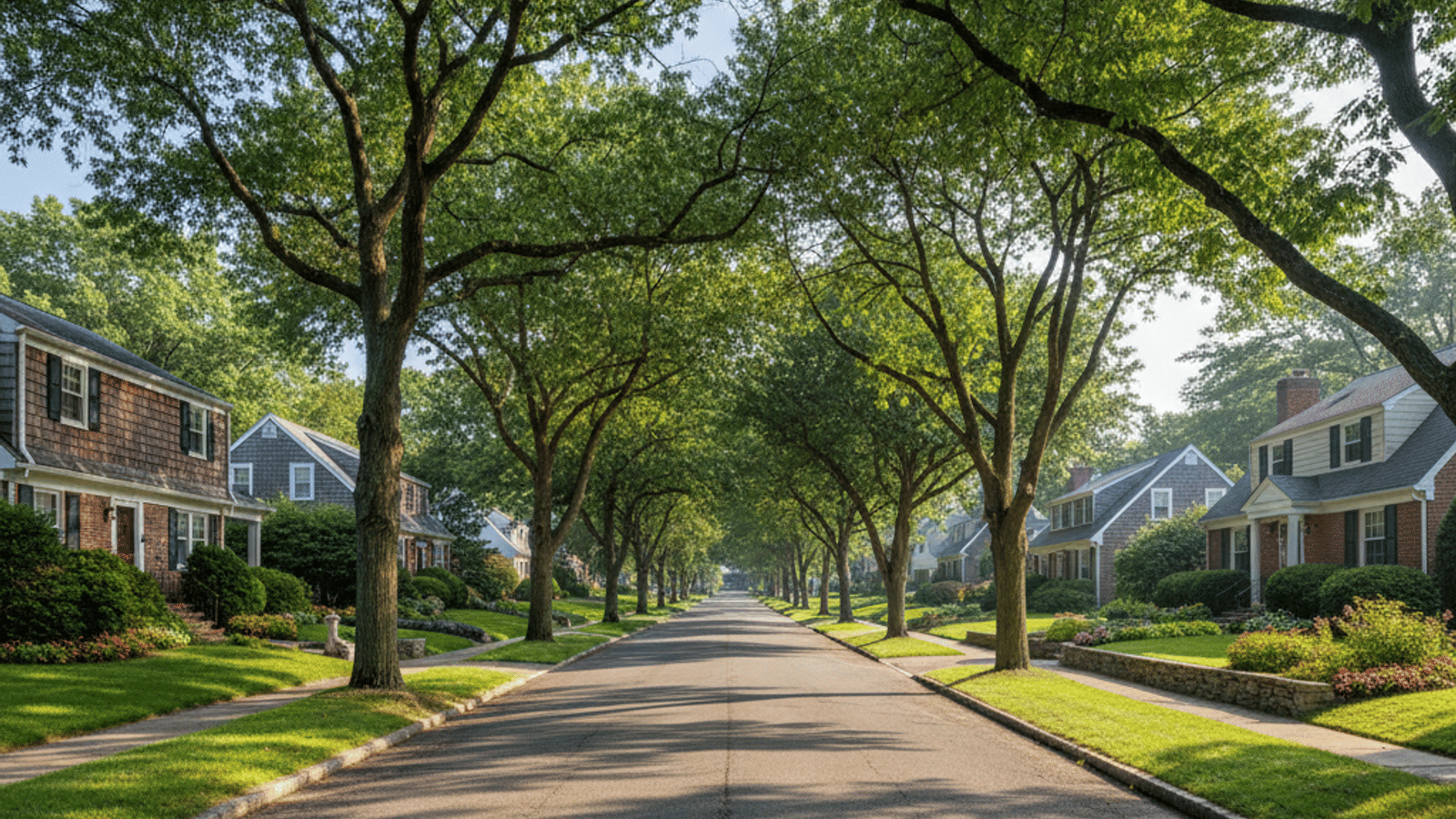
As of early 2026, Straw Smyth has become a top choice for buyers who want stability. The vibe here is distinct: mature trees, wide streets, and neighbors who tend to stay for decades. It doesn’t have the Victorian grandeur of the “Historic North End,” but for many, the larger backyards and quieter side streets make it the more practical “hidden gem” of the city.
Location & Commutability
If you commute, this might be the most strategic location in the city. One of the biggest hurdles when living in Manchester NH is navigating the bridges across the Merrimack River during rush hour. Living in Straw Smyth solves that problem before you even leave your driveway because you are already on the east side of the river and incredibly close to the highway.
Residents here have immediate access to I-93 via Exits 8 and 9. This makes the neighborhood a commuter’s dream. Whether you are heading north to Concord or south to the Massachusetts border, you can often hit the highway in under five minutes. If you work downtown, the commute is a breezy 5–10 minute drive on surface streets, bypassing the worst of the city’s congestion.
Another perk is the proximity to Hooksett. Because the neighborhood borders the town line, you have easy access to the big-box retail and grocery options on Hooksett Road without having to live right next to the traffic. You get the convenience of the commercial strip without the noise.
Straw Smyth Real Estate Market Trends (2026)
When we look at the numbers for 2026, Straw Smyth remains a competitive market with low inventory. Because people tend to buy here and stay for thirty or forty years, homes don’t come up for sale as often as they do in more transient parts of the city. When they do, they move fast.
The architecture here is predominantly mid-century. You will see a lot of solid housing stock built between 1940 and 1980—think sprawling Ranches, classic Capes, and Garrisons. There are some newer Colonials sprinkled in, but the character of the neighborhood is defined by that post-war boom era. The lot sizes are generally generous for a city setting, often ranging from 0.25 to 0.5 acres, which is noticeably larger than the tighter grid of the inner city.
What does it cost to buy here right now? Prices have shifted upward, reflecting the desirability of the “North End” association.
- Entry Level: Smaller Capes or homes needing cosmetic updates are landing in the high $300,000s to low $400,000s.
- The Median: For a move-in ready, mid-sized single-family home, you are likely looking in the $460,000 to $550,000 range.
- High End: Larger, updated Colonials or expanded homes can easily push past $600,000.
Neighborhood Amenities & Recreation
One of the coolest things about Straw Smyth is that it houses a major recreational landmark right in the middle of the residential blocks. The McIntyre Ski Area is the neighborhood’s crown jewel. It is rare to live in a city where you can drive two minutes (or walk) to go snow tubing or skiing after work. In the summer, the hill transforms into a venue for weddings and events, keeping the area vibrant year-round.
Bordering the south end of the neighborhood is the Derryfield Country Club, a public 18-hole golf course that offers green space and a popular restaurant. While the neighborhood itself doesn’t have sidewalks on every single street, the low traffic volume makes the area very popular for walkers and joggers.
Just to the west, you have Livingston Park. While technically in the North End proper, it is effectively the neighborhood park for Straw Smyth residents. It offers a track, a pond, a swimming pool, and extensive playground equipment, serving as a major gathering spot for the community.
Schools and Education Access
For many buyers, the location of educational facilities is a primary driver, and this neighborhood is anchored by Smyth Road School. Located directly within the neighborhood, this elementary school creates a sense of community center; during the school year, the morning and afternoon rhythms of the neighborhood often revolve around the school zone.
As students move up, the typical progression for residents is Hillside Middle School and then Central High School. However, school district boundaries can shift, so we always recommend verifying the current zoning with the Manchester School District before making an offer.
For those looking at private education, the location is convenient. Trinity High School is nearby, and The Derryfield School, a private day school for grades 6–12, is located just outside the neighborhood borders near the ski area.
The Lifestyle: Quiet Streets & Community Vibe
If you are looking for nightlife and neon lights, this isn’t the spot. Straw Smyth is quiet. The noise levels here are significantly lower than on the West Side or downtown. Because there is very little “cut-through” traffic on the side streets, the neighborhood retains a peaceful atmosphere.
The demographic mix is shifting. You still have many original owners or long-time residents who have been here since the 1980s, but as homes turn over, a new wave of buyers is moving in to renovate and update these properties.
Visually, the neighborhood is very consistent. You won’t find industrial zones or random commercial warehouses mixed in with the houses. It is strictly residential, with well-maintained lawns and mature landscaping that gives the area a settled, established feel.
Shopping, Dining, and Essentials
Because Straw Smyth is strictly residential, there is almost zero commercial activity inside the neighborhood boundaries. This is a pro for peace and quiet, but a trade-off for walkability—you can’t really walk to a corner store for milk.
However, you are never far from what you need:
- North: A short drive up strictly commercial Hooksett Road gets you to Market Basket, home improvement stores, and various chain dining options.
- South/West: A 5-10 minute drive drops you onto Elm Street in downtown Manchester, which is the hub for independent restaurants, theaters, and nightlife.
- East: You have easy access to the rotary near Lake Massabesic for additional commuting routes and services.
Comparing Straw Smyth vs. Other Neighborhoods
When you are browsing Manchester NH homes for sale, it helps to know how Straw Smyth stacks up against the competition.
- vs. Historic North End: The Historic North End (closer to Elm Street) features Victorian mansions and a more “estate” feel. Straw Smyth is more mid-century suburban. The price-per-square-foot is often better in Straw Smyth, and the vibe is less formal.
- vs. South End: While the South End has great pockets, Straw Smyth generally offers larger lot sizes and slightly less density.
- vs. West Side: The biggest difference is the commute. Living on the West Side means crossing the river to get to I-93 or Boston, which adds time to your day. Straw Smyth puts you on the “right” side of the river for highway access to the capital or the coast.
Pros and Cons of Living in Straw Smyth
Here is the honest breakdown of what to expect if you move here.
The Pros:
- Stability: It’s a neighborhood where people put down roots.
- Lot Size: Hard to find 0.3+ acres this close to the city center elsewhere.
- Recreation: Living next to McIntyre Ski Area and Derryfield Park is a unique lifestyle perk.
- Commute: Unbeatable access to I-93.
The Cons:
- Car-Dependent: You will likely need a car for almost all errands.
- Updates Needed: Since many homes were built in the 1950s-70s, you may face updates for things like electrical panels, windows, or retro bathrooms.
- Competition: Good homes here receive multiple offers quickly.
FAQs: Living in Straw Smyth
Yes and no. It borders the Historic North End and is often grouped with “North End” real estate listings due to its zip code and desirability. However, locals distinguish between the “Historic North End” (Victorian estates) and the “Suburban North End” (Straw Smyth’s mid-century ranches).
The housing stock is primarily mid-century styles built between 1940 and 1980. You will mostly find Ranches, Garrisons, and Capes, though there are pockets of newer Colonials.
Depending on traffic, it is about a 50 to 60-minute drive to Boston. The neighborhood’s direct access to I-93 (Exits 8 and 9) makes it one of the most convenient Manchester neighborhoods for Massachusetts commuters.
Generally, no. This is a standard residential neighborhood with public streets, so there are no homeowner association fees or rules for the vast majority of properties.
Straw Smyth hits a sweet spot for a specific kind of buyer. If you want the “forever home” feeling—a place with a big yard, quiet nights, and neighbors you know by name—but you still need to get to work in Concord or Boston efficiently, this is arguably the best value in Manchester.
The inventory is tight in 2026, but the patience pays off. Whether you are relocating to New Hampshire or just moving across town, keeping an eye on this zip code is a smart move.