
The search for real estate in southern New Hampshire requires a solid understanding of current market dynamics. Buyers looking at houses for sale manchester nh are entering a fast-paced environment where preparation is absolutely critical. This city offers a unique blend of historical architecture, dense urban amenities, and straightforward access to major New England employment hubs.
Navigating this landscape means understanding everything from shifting inventory levels to the specific commuting logistics along the I-93 corridor. Prices rose through last year, and that trajectory has continued into the spring of 2026. Knowing exactly what to expect regarding property styles, localized pricing, and transit options will give you a distinct advantage when evaluating new properties.
2026 Manchester NH Real Estate Market Overview
The local housing inventory remains incredibly tight as we move through 2026. Buyers can expect the approximate median home price in Manchester to sit between $415,000 and $448,000, depending heavily on the specific zip code and property condition. This represents a sustained upward trend from previous years, driven by persistent demand and low monthly supply.
Properties frequently sell within 10 to 38 days of hitting the market. Entry-level homes tend to move on the faster end of that spectrum, while higher-tier historic properties may take slightly longer to attract a qualified buyer. Because sellers hold the advantage in this low-inventory environment, negotiations rarely leave room for extensive contingencies.
Buyers must have their financing fully secured before viewing open houses or booking private showings. Submitting an offer without a solid pre-approval letter is essentially a guaranteed rejection in this climate. Sellers are prioritizing certainty, and a fully underwritten pre-approval proves you are ready to execute the transaction.
Average Home Prices and Property Types
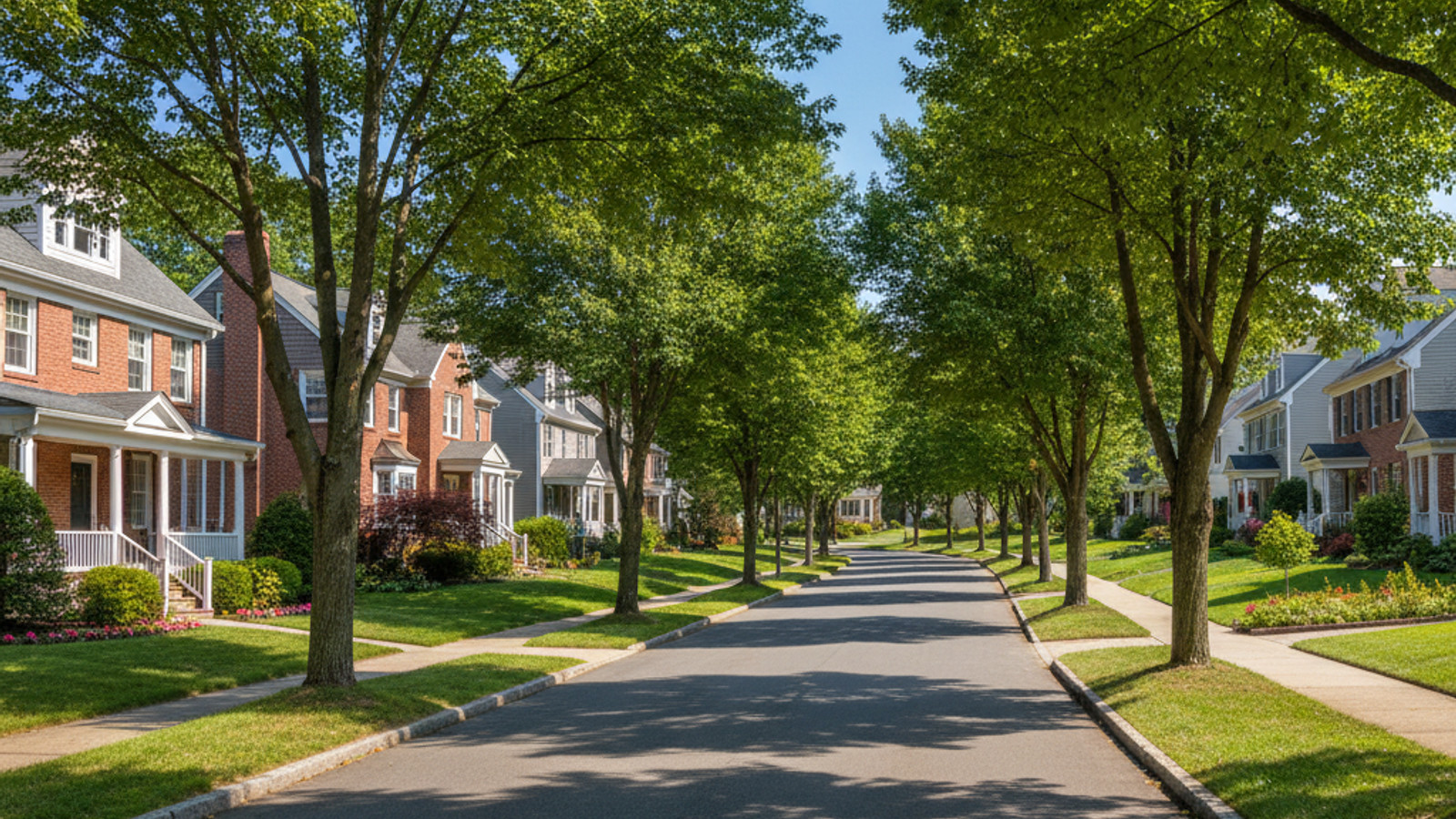
Manchester features a diverse architectural landscape that accommodates a wide range of budgets and preferences. The historic North End is known for its expansive Victorians and classic colonial-style homes. Single-family properties in this particular neighborhood often exceed $510,000, reflecting the mature trees and larger lot sizes characteristic of the area.
Buyers looking for a more urban footprint should explore the downtown Millyard district. This area features a robust inventory of modern condos and converted industrial loft spaces. These units offer immediate access to city amenities and generally provide a more accessible entry point into the local market.
Across the Merrimack River, the west side offers suburban-feeling neighborhoods like Piscataquog. This area features a mix of entry-level single-family properties and condominiums closer to the $285,000 range. Connecting these distinct property styles to your budget early on will help streamline your search and set accurate expectations.
Commute Times and Transportation Infrastructure
Transportation logistics are a primary driver of real estate values throughout southern New Hampshire. Manchester serves as a major transit hub, offering multiple routes for those traveling across the region or down into MA. Understanding these travel patterns is essential for buyers calculating their daily routine.
The city provides immediate access to major highways, specifically I-93 and Route 3, which facilitate direct north-to-south travel. Buyers should factor the following travel logistics into their location decisions:
- Downtown Boston drive times: The 53-mile trip takes roughly 60 minutes during standard hours, but peak commute periods on I-93 South can extend travel times to 90 or even 120 minutes.
- Air travel: The Manchester-Boston Regional Airport is located just minutes from downtown, offering convenient domestic flights and extended business travel options.
- Public transit: Alternative commuter options include regional bus services and nearby MBTA commuter rail access points located just over the border in MA.
Parks, Amenities, and Downtown Attractions
Beyond the residential neighborhoods, Manchester maintains a robust network of recreational facilities and cultural institutions. The Merrimack River runs directly through the center of the city, providing a scenic geographic anchor and various waterfront access points. This natural feature divides the east and west sides while offering walking paths and green spaces.
Livingston Park serves as a major hub for outdoor recreation in the northern section of the city. The park features extensive walking trails, athletic facilities, and a large pond, making it a popular destination for year-round outdoor activities. Having access to these types of municipal amenities often boosts localized property values.
The cultural and commercial landscape is equally active, particularly around the historic Millyard and Elm Street. Residents have access to landmarks like the Currier Museum of Art, alongside a dense concentration of dining venues and retail storefronts. This centralized commercial district ensures that most neighborhoods remain within a short drive of essential services and entertainment.
Educational Institutions and School Districts
The educational landscape in Manchester includes a comprehensive mix of primary, secondary, and higher education facilities. The local public school system is governed by the Manchester School District, officially designated as Hillsborough County R-1. This district manages multiple elementary, middle, and high schools distributed across the city’s various wards.
Access to specific educational zones can heavily influence real estate values and listing data. Properties located within the boundaries of specific neighborhood schools often command a premium and experience shorter days on the market. Buyers should always verify specific district boundaries directly with the city assessor or their real estate agent, as mapping lines can shift.
The city also hosts a strong higher education presence that impacts the local housing economy. Prominent campuses like Southern New Hampshire University (SNHU) and several local vocational programs are located within or adjacent to the city limits. This concentration of academic institutions helps stabilize the local rental market and provides ongoing educational resources for residents.
Frequently Asked Questions About Manchester NH Real Estate
The median home price currently ranges between $415,000 and $448,000. Entry-level condos can be found closer to $285,000, while larger historic properties in the North End frequently exceed $510,000. These figures reflect a highly competitive market with low inventory.
Estimating your proceeds requires subtracting your remaining mortgage balance, local transfer taxes, and agent commissions from the projected sale price. A local agent can provide a net sheet based on recently sold comparable properties in your specific zip code. This ensures you have an accurate picture of your potential equity.
The current local property tax rate is approximately $20.24 per $1,000 of assessed value. Buyers should factor this rate into their total monthly carrying costs when evaluating different listings. Assessed values are determined by the city and may differ from the actual purchase price.
You can find qualified representation by searching local brokerage directories or reviewing recent sales data in your target neighborhood. An experienced agent will provide access to comprehensive MLS listing data and guide you through the negotiation process. Having local expertise is crucial for navigating this low-inventory environment.