
Welcome to the South End: Manchester’s Hub of Convenience
If you are looking for a neighborhood where you can get to the grocery store, the highway, and the airport in under ten minutes, the South End of Manchester is likely on your radar. Often referred to by locals simply as “The Southside“, this area is a fascinating mix of quiet, post-war residential streets and one of the busiest commercial corridors in New Hampshire.
Geographically, we are talking about the section of the city generally south of Somerville and Cilley Road, bordered by Mammoth Road to the east and the historic Nutt’s Pond to the west. It is a part of town that offers a distinct identity from the Victorian-lined streets of the North End or the dense urban grid of the West Side.
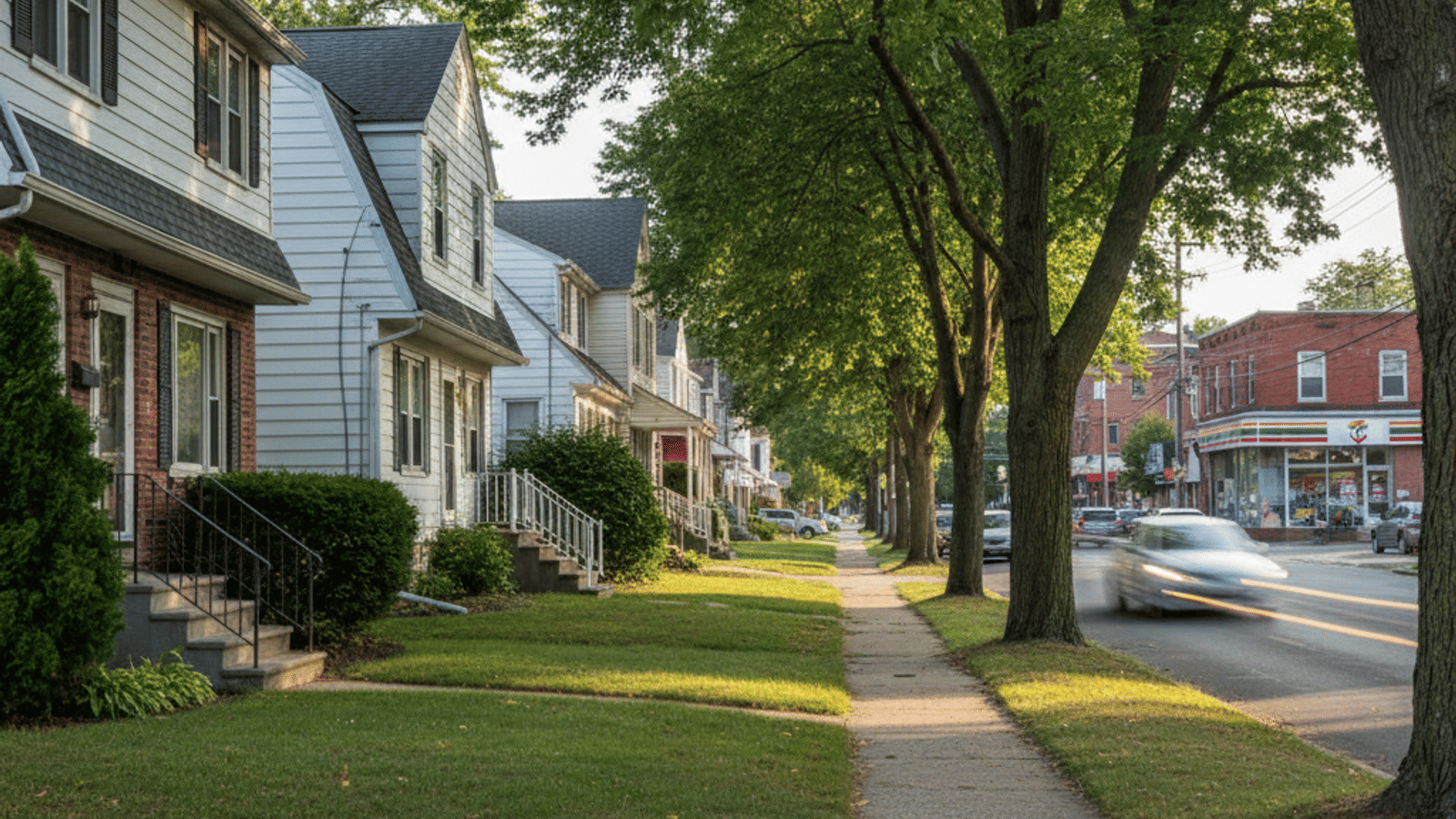
The core vibe here is practicality. It is a neighborhood designed for people who need to get things done. While you have the massive retail engine of South Willow Street running through its veins, the side streets tell a different story. Turn off the main drag, and you find neighborhoods full of well-maintained yards and neighbors who have lived in the same Cape or Ranch for decades. It is an ideal spot for buyers who want to be five minutes from everything—including the Mall of New Hampshire, I-293, and Manchester-Boston Regional Airport.
When exploring Manchester NH neighborhoods, the South End stands out because it doesn’t pretend to be a quiet country retreat. It embraces its role as the energetic, accessible southern gateway to the city.
A Brief History: From Ice Harvesting to Retail Giant
To really understand the South End, you have to look back a bit further than the current strip malls. Long before it was the go-to spot for holiday shopping, this area had a much grittier, industrial purpose.
Nutt’s Pond, which is now a focal point for local conservation efforts, was once the center of a massive ice harvesting industry in the late 19th and early 20th centuries. The ice harvested here cooled iceboxes across the city. As the city expanded, the land use shifted dramatically. The agricultural plots and industrial zones gave way to a massive housing boom following World War II.
This is why, when you drive through the residential pockets today, you see so many mid-century homes. The neighborhood was built to house the growing workforce of a modernizing Manchester. Over the decades, South Willow Street evolved from a simple thoroughfare into the primary retail artery for the entire state, shaping the South End into the commercial powerhouse it is today. It’s a neighborhood that has constantly adapted to the needs of the city, shifting from production to residential living and modern commerce.
Real Estate in the South End: Market Overview 2026
As we settle into early 2026, the real estate market in the South End remains competitive. This area has traditionally been the go-to for first-time homebuyers and investors who find the North End’s price points a bit out of reach. However, “approachable” prices have shifted upward significantly over the last few years.
Housing Stock and Style
The architectural landscape here is consistent. You won’t find many sprawling new construction developments. Instead, the inventory is dominated by sturdy mid-century Capes, Ranches, and Garrisons built between 1950 and 1980. These homes are prized for their solid bones and manageable lot sizes. Near the main roads, you will also see a mix of multi-family conversions and larger apartment complexes that cater to the city’s strong rental demand.
Current Market Conditions
If you are thinking about buying a home in Manchester NH, specifically in the South End, be prepared to move quickly. Inventory shortages across Hillsborough County are still keeping this a seller’s market. Turnkey homes—those that have updated kitchens or finished basements—are typically spending just 14 to 35 days on the market before going under contract.
Pricing Landscape
The days of picking up a single-family home here for under $300,000 are largely in the rearview mirror.
- Single-Family Homes: As of January 2026, median prices are hovering in the mid-$400s to low $500s. This reflects the steady 12% year-over-year growth we saw closing out 2025.
- Rentals: For those not ready to buy, the rental market is active but pricey. Large complexes near South Willow offer amenities like pools and gyms, with two-bedroom units averaging around $2,500 per month.
For many buyers, the South End represents the sweet spot: it is more expensive than some inner-city blocks but significantly more affordable than the luxury markets further north or in Bedford.
Lifestyle & Community Vibe
Living in the South End is an experience defined by “suburban convenience.” The atmosphere is unpretentious and busy. It is not the place you move to if you want total silence—the proximity to the airport means plane noise is a daily reality, and the hum of the highway is never far off. But for the residents here, that background noise is the sound of accessibility.
The demographics are incredibly diverse. You have long-time residents who remember when the Mall of New Hampshire was half its current size living right next door to young professionals who commute to Boston. There is a strong sense of community, but it’s different from a walkable village center. Here, neighbors wave while washing their cars or mowing lawns, but social life often revolves around the ease of running errands nearby.
When you look at the cost of living in Manchester NH, the South End offers a balance. You save money on gas because your commute to the grocery store is three minutes. You save time because the highway on-ramp is right there. It is a lifestyle that appeals to people who value efficiency and want to maximize their free time rather than spending it in the car—unless, of course, they get stuck in South Willow traffic.
Shopping & Dining: The South Willow Corridor
If you live in the South End, South Willow Street is your second home. This is the retail spine of New Hampshire, drawing shoppers from all over the state. For residents, having this level of access is a massive perk, provided you know how to time your trips to avoid the weekend rush.
The Retail Experience
The Mall of New Hampshire serves as the anchor, but the surrounding plazas are just as important for daily life. You have immediate access to big-box giants like Home Depot, Walmart, and Best Buy. If you are a DIY enthusiast or just need to grab groceries at 9 PM on a Tuesday, the convenience is unbeatable. You never have to leave your zip code to find what you need.
The Dining Landscape
For years, the South End dining scene was synonymous with national chains. If you wanted a quick burger or a sit-down meal at a franchise like 110 Grill or Raising Cane’s, this was the spot. While those staples remain popular, the culinary map is getting more interesting.
We are seeing a welcome infusion of locally-owned spots adding flavor to the corridor. A standout addition is Oba Korean BBQ, which opened its doors in late 2025 and has quickly become a local favorite for its interactive dining experience. For authentic Mexican cuisine, Mi Jalisco continues to be a go-to gem for residents who want great tacos without heading downtown.
The Traffic Trade-Off
We have to be honest about the traffic. South Willow Street is notorious for congestion, especially during the holiday season or rush hour. Living here means learning the back roads. Locals know exactly which side streets to take to bypass the worst of the red lights near the mall entrance.
Parks, Trails, and Outdoor Recreation
Despite the heavy commercial presence, the South End has surprisingly good access to green space. It is not all pavement and parking lots; there are dedicated areas where you can disconnect and enjoy the outdoors.
Precourt Park This is arguably the crown jewel of the neighborhood’s recreational scene. Located just off South Willow, Precourt Park is a hub for organized sports, featuring well-maintained soccer and baseball fields. It sits right along the edge of Nutt’s Pond, offering a scenic backdrop to weekend games.
Nutt’s Pond & Trail Nutt’s Pond itself is a historic site that is part of the broader Manchester rail trail system. The trail here is flat and wide, making it accessible for walkers, runners, and cyclists. It is an urban trail, so while you are surrounded by nature, you are still in the city. There have been ongoing efforts to improve the water quality and restore the natural habitat, making it a nicer spot for a quiet morning walk.
South Manchester Rail Trail This trail is a lifeline for pedestrians and cyclists who want to get around without fighting cars. It connects different pockets of the neighborhood and is a popular route for residents getting their daily steps in.
Clem Lemire Sportsplex Located nearby, this complex adds even more options for athletics, with facilities that serve leagues and casual players alike. If you are looking for parks in Manchester NH that offer active recreation, this area has you covered.
Schools and Education
For residents with school-aged children, understanding the layout of the public school district is key. The South End is served by a few specific institutions that act as community anchors.
- Elementary Level: Jewett Street School is central to the neighborhood. It is a walkable location for many nearby homes, sitting right in the heart of the residential grid.
- Middle School: Southside Middle School shares a campus area near Jewett Street. Its location makes the transition from elementary to middle school physically convenient for families living in this zone.
- High School: Manchester Memorial High School is the designated high school for the South Side. It is home to the Crusaders and draws students from across the southern tier of the city.
For those interested in alternatives to the public district, the area’s central location provides reasonable driving access to private and charter options, such as Holy Family Academy or various charter schools in the greater Manchester area. The focus here is on accessibility—getting to school is rarely a long trek for South End residents.
Commuting and Transportation
If there is one category where the South End wins hands down, it is commuting. This is arguably the most strategic location in Manchester for anyone who needs to be on the move.
Highway Access
You have immediate access to I-293 and Route 101. Unlike residents in the North End who might have to drive 15 minutes through city streets just to reach the highway, South End residents are on the ramp in minutes. For those working in Massachusetts, the straight shot to I-93 South is a game changer. On a good day, you can reach the Boston line in about 50 minutes.
The Airport Advantage
Manchester-Boston Regional Airport (MHT) is practically in your backyard. For frequent flyers, business travelers, or anyone who works at the airport, this convenience is unmatched. You can leave your house and be at the security checkpoint in under 15 minutes.
Public Transit
The area is well-served by the Manchester Transit Authority (MTA). Regular bus routes run along South Willow Street, connecting the neighborhood to downtown and other major hubs. It is one of the few parts of the city where living without a car is somewhat feasible, thanks to the density of retail and transit options.
Pros and Cons of Living in the South End
Every neighborhood has its trade-offs. Here is an honest look at what you can expect if you choose to call the South End home.
Pros:
- Unbeatable Convenience: You are never more than 10 minutes from a highway, a grocery store, or a flight.
- Price Point: While rising, it is generally more affordable than the North End or surrounding suburbs like Bedford.
- Housing Diversity: From starter Capes to rental apartments, there is something for most budgets.
- Walkable Trails: The rail trail system is a fantastic asset for urban hiking and biking.
Cons:
- Traffic Congestion: South Willow Street can be a headache, and holiday shopping traffic is a real factor in planning your day.
- Noise: You are living near a major airport and highways. Silence is rare.
- Visual Mix: Some streets have a mix of residential and light industrial views that might not appeal to everyone.
Is the South End Right for You?
The South End isn’t for everyone, but for the right person, it is perfect. It is a neighborhood that rewards those who value time and efficiency. If you want to spend your weekends fixing up a solid mid-century home, walking the rail trail, and having instant access to every major store you can think of, this is the spot.
It is a place where affordability meets accessibility. If you are on the fence, take a drive down South Willow (maybe not at 5 PM on a Friday), visit Precourt Park, and drive through the side streets near Jewett Street. You will quickly get a feel for the pragmatic, energetic pulse of the Southside.
Frequently Asked Questions
The South End is a large, primarily residential area with many quiet streets filled with long-term homeowners. Like any urban neighborhood, it has busier commercial zones where you should be aware of your surroundings, but the residential pockets are generally calm and community-focused.
One of the best perks of the South End is that it is only a 5 to 10-minute drive to Elm Street downtown. You can easily head downtown for dinner or a show at the Palace Theatre and then retreat back to your quieter neighborhood quickly.
The primary zip code for the South End and the broader Southside area is 03103. This zip code covers the area south of the city center, including the airport and the South Willow commercial district.
Yes, it has some of the best access in the city. Because you are so close to the junction of I-293 and Route 101, you can bypass downtown traffic and get onto I-93 South very quickly, making it a popular location for Boston commuters.