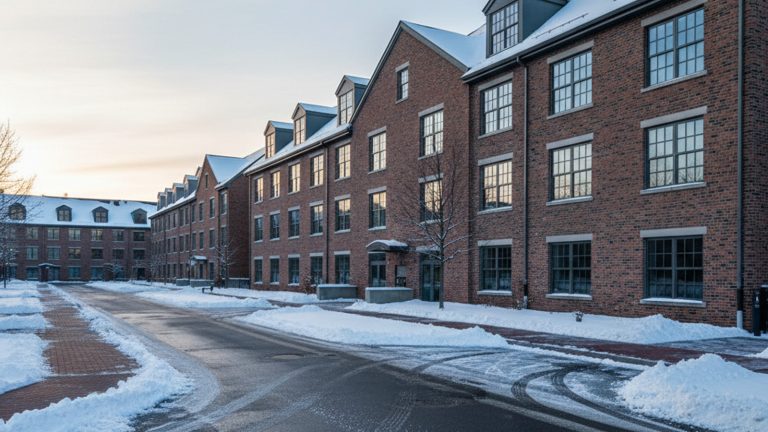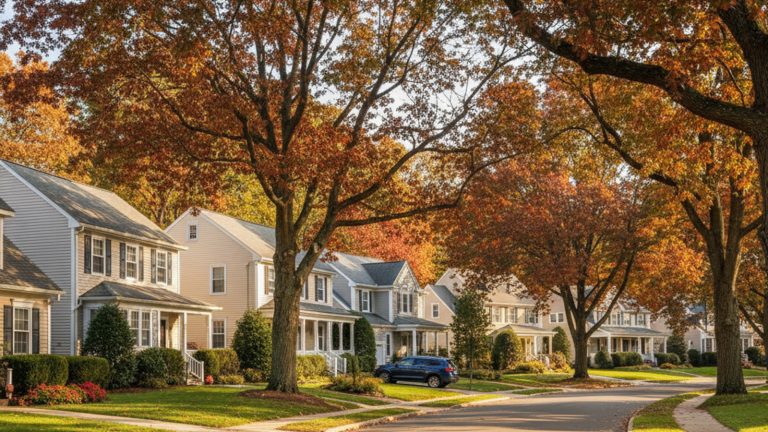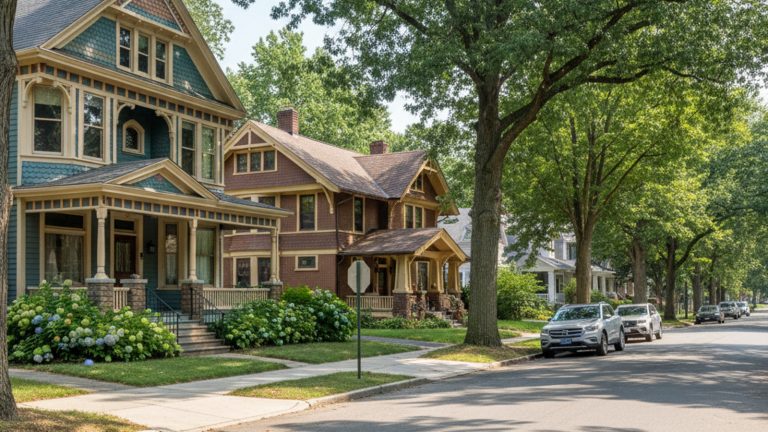


When people think of retiring in New Hampshire, they often picture a cabin in the White Mountains or a cottage on Lake Winnipesaukee. But for many seniors, Manchester offers a sweet spot that is hard to beat: genuine urban convenience mixed with that classic New England charm. You aren’t isolated in the woods here; you have the Currier Museum of Art, a thriving dining scene on Elm Street, and easy travel options right at your doorstep.
However, it’s not just about city amenities. Manchester balances the urban feel with serious outdoor access, specifically around Lake Massabesic, which is a local gem for walking trails and kayaking. For seniors prioritizing health safety nets, staying in the city means you are minutes away from top-tier healthcare at Elliot Hospital and Catholic Medical Center (CMC), rather than an hour’s drive down a snowy highway.
The housing landscape here is surprisingly diverse, which can be overwhelming if you are just starting your search. You have everything from budget-friendly manufactured home communities where neighbors look out for each other, to high-end Continuing Care Retirement Communities (CCRCs) that handle every aspect of your future needs. Let’s break down what it actually looks like to live here.
Why Choose Manchester, NH for Retirement?
The financial picture for retirees in New Hampshire has always been strong, but it recently got even better. You likely already know that New Hampshire has no sales tax and no state tax on W-2 income. However, the big news is the repeal of the Interest & Dividends (I&D) tax. As of January 1, 2025, this tax is fully repealed, making New Hampshire a true no-income-tax state. For retirees living off investments or 401(k) distributions, this keeps a significant amount of money in your pocket compared to neighboring states.
Beyond the ledger, the healthcare infrastructure is a massive draw. As we age, proximity to specialists matters. Manchester is unique in Northern New England for having two major hospitals within city limits. Whether you need cardiac care at CMC or the trauma center at Elliot, you have options close to home, which is a huge relief for adult children supporting aging parents.
Then there is the location itself. The Manchester-Boston Regional Airport (MHT) is incredibly easy to navigate compared to Logan, making trips south for the winter stress-free. Plus, you are strategically located less than an hour from the Atlantic coastline, the mountains, or Boston. You get the connectivity without the crushing traffic.
Independent Living & 55+ Communities
If you are healthy, active, and just want to downsize from the big family house, independent living communities are often the first stop. These are designed for people who don’t need medical help but want a lower-maintenance lifestyle.
Ledgewood is one of the most well-known 55+ communities in the area. It operates as a land-lease community, meaning you own the home—typically a manufactured double-wide—but you pay a monthly fee for the land it sits on. It’s an affordable entry point for the area, with homes often listing between $200,000 and $370,000. It offers single-level living and a built-in social network, which is vital for many retirees.
For those who prefer renting over owning, The Meetinghouse at RiverFront offers a different vibe. It’s an independent senior living community that feels more like an upscale apartment complex. The draw here is the social calendar and the city views. You aren’t worrying about property taxes or home repairs; you just pay your rent and enjoy the community events.
It is also worth noting that many seniors in Manchester skip the “official” 55+ designation entirely. There are plenty of standard condo associations throughout the city that, while not age-restricted, naturally attract a retired demographic due to quiet neighborhoods and landscaping services.
Continuing Care Retirement Communities (CCRCs)
If you are looking for a plan that secures your future regardless of health changes, you are looking for a Life Plan Community, often called a CCRC. In Manchester, the premier option is RiverWoods Manchester (formerly known as Birch Hill).
RiverWoods operates on a continuum of care model. You move in while you are independent—living in a cottage or apartment—and enjoy a maintenance-free lifestyle. If your health needs change later, you have priority access to assisted living or nursing care right on the same campus. This model provides immense peace of mind because you don’t have to scramble to find a new facility during a health crisis.
The financial structure here is different from buying a condo. It typically involves a refundable entrance fee, which can be substantial, plus a monthly service fee. While the upfront cost is higher, that entrance fee often guarantees lower rates for future healthcare and is partially refundable to your estate. It’s a complex financial product, so looking into RiverWoods Manchester prices requires understanding specifically which contract type suits your estate planning goals.
Assisted Living & Specialized Care Options
When daily tasks like dressing, medication management, or meal prep become difficult, assisted living is the next step. Manchester has a robust selection of facilities that range from large, resort-style campuses to intimate care homes.
The Courville at Manchester is a standout for those wanting a smaller, boutique environment. Because it is smaller, the staff-to-resident ratio tends to feel very personal, and the atmosphere is less “institutional” than larger facilities.
Villa Crest is another strong option that offers a full continuum, including skilled nursing. This is particularly important if a spouse needs short-term rehab after a surgery; having that capability on-site prevents the need for transfers to unfamiliar locations.
For families dealing with dementia or Alzheimer’s, memory care is a critical consideration. Facilities like RiverWoods and specialized wings at places like The Courville offer secure environments designed to reduce anxiety and prevent wandering. These units are staffed by caregivers trained specifically in redirection and dementia support.
Cost of Retirement Living in Manchester
Let’s talk numbers, because this is usually the deciding factor. While New Hampshire saves you on income tax, the cost of housing and services can be higher than the national average due to high demand and labor costs in the Northeast.
Real Estate: If you are buying, Manchester generally offers lower entry prices than the Seacoast or communities like Bedford. A manufactured home in a community like Ledgewood offers a low barrier to entry, though you must budget for the monthly land lease fee. Standard condos vary wildly but generally offer better value per square foot than the Boston suburbs. Note that property taxes in NH are high—often used to offset the lack of income tax—so factor that into your monthly budget.
Assisted Living & Care Costs: If you are looking at assisted living, you should anticipate monthly costs ranging between $5,000 and $9,000, depending heavily on the level of care required. The average for a decent private room in Manchester often hovers around $7,200 per month. This covers your room, board, utilities, and care.
Entrance Fees: For a CCRC like RiverWoods, the entrance fee is a capital investment. These can range from $150,000 to well over $500,000 depending on the size of the unit and the refundability of the contract. It’s a large check to write, but it buys you insurance against future market rates for nursing care.
Comparing Manchester to Nearby Areas
Sometimes the right choice for Manchester is actually… not Manchester. It helps to look at the neighbors to see if the “Queen City” is truly the right fit for you.
Manchester vs. Bedford: Bedford is right next door and is known for its upscale, luxury vibe. Communities there, such as The Arbors or Bowman Place, are beautiful but typically come with a higher price tag. Manchester offers more urban walkability and is physically closer to the hospitals, whereas Bedford is more suburban and car-dependent.
Manchester vs. Nashua: Nashua sits right on the Massachusetts border, which is great for shopping at the Pheasant Lane Mall, but traffic there can be intense. Manchester has a more distinct “city” identity with a grittier, artistic culture and a revitalized mill district that many retirees find engaging.
Manchester vs. Concord: Concord is smaller, quieter, and feels more like a large town than a city. If you want a slower pace, Concord might be better. However, if you want a variety of restaurants (Uber Eats options galore) and entertainment, Manchester wins hands down.
Tips for Choosing the Right Community
Making a move like this is stressful, but a few strategic steps can clarify the decision.
First, check the waitlists. Popular communities, especially for the best units at places like RiverWoods, can have waitlists stretching months or even years. It is smart to get your name on a list even before you are 100% ready to move.
Second, understand the contract. There is a massive difference between a rental model (month-to-month flexibility) and a buy-in model (equity preservation). Make sure your financial advisor reviews any CCRC contract so you understand exactly what is refundable.
Finally, visit at different times. Don’t just go for the scheduled tour with the sales director. Drive through the community on a Saturday evening or during lunch on a Tuesday. Are people out and about? Does the dining room sound happy and social? The vibe you feel during those off-hours is the real vibe you will live with.
Frequently Asked Questions
Yes, extremely. New Hampshire has no sales tax and no tax on wages (Social Security has always been exempt). Crucially, the Interest & Dividends (I&D) tax was fully repealed effective January 1, 2025, meaning retirees now pay zero state income tax on investment income as well.
Costs vary by care level, but you should budget roughly $7,200 per month for a standard assisted living apartment in the Manchester area. Prices can range from $5,000 for basic shared suites up to $9,000+ for specialized memory care.
Yes. There are several options, with Ledgewood being a popular choice for manufactured homes that offer single-level living. While not every community is strictly age-restricted, many condo associations in the area naturally cater to an older demographic seeking a quiet, low-maintenance lifestyle.