
If you are looking at the Manchester map and wondering about the area immediately across the river from downtown, you are looking at Piscataquog—or as the locals almost universally call it, “The Squog.”
Centered around the busy hub of Granite Square, this neighborhood serves as the gateway to the West Side. It sits just west of the Merrimack River, bordered roughly by Queen City Avenue to the south and the winding Piscataquog River to the west.
The vibe here is distinct. It is a blend of historic industrial grit, deep working-class roots, and a surging desirability for buyers who want to be near the action without paying North End prices. For anyone considering moving to Manchester NH or investing in the area, the Squog offers a unique mix of urban density and surprising recreational access.
History & Character: From Little Canada to Modern Hub
To understand the real estate landscape here, you have to understand the history. Historically, this area was known as “Little Canada” due to the massive influx of French-Canadian immigrants who came to work in the textile mills just across the river.
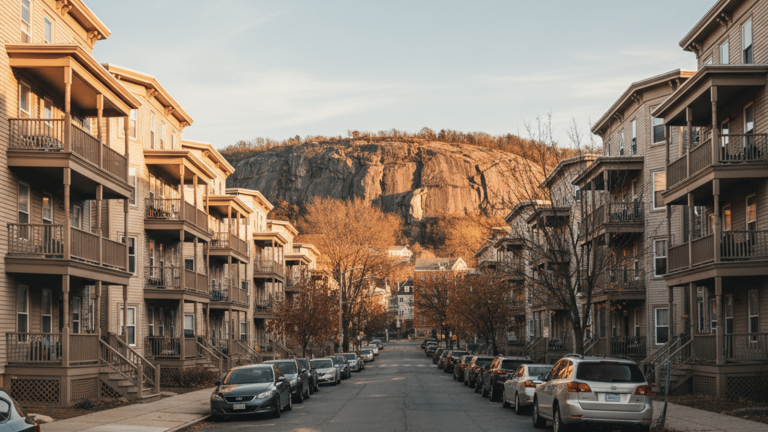
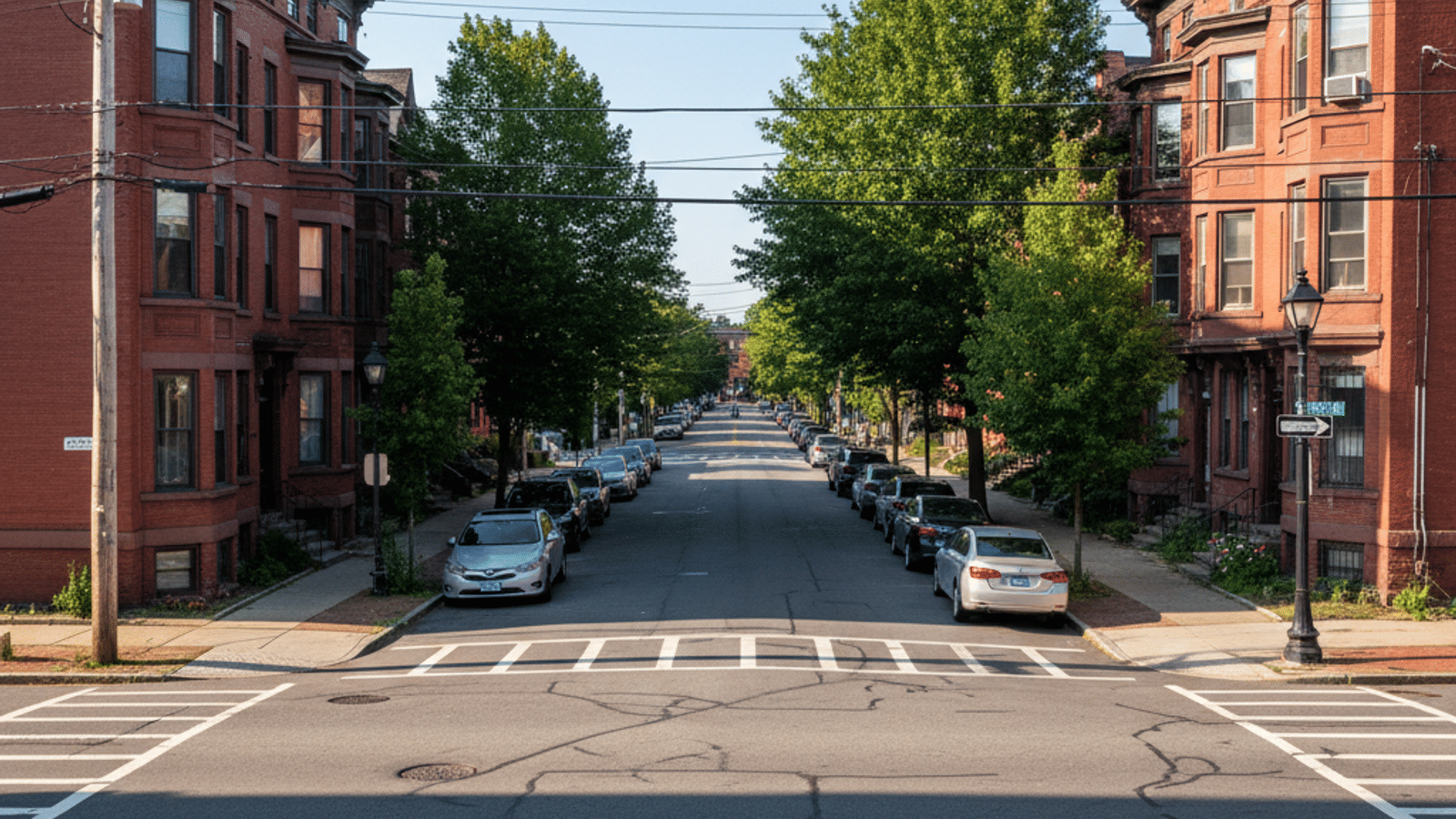
That heritage is still written all over the streets. Unlike the sprawling subdivisions you might find further out, Piscataquog is defined by density. The streets are lined with tall, Victorian-era triple-deckers and multi-family homes that were built to house mill workers. It gives the neighborhood a tight-knit, vertical feel that is full of character.
Granite Square itself—the intersection where Granite and South Main Streets meet—has evolved from a turn-of-the-century trolley hub into a mixed-use commercial node. While the trolleys are gone, the sense of it being a crossroads remains. Residents here tend to have a strong sense of neighborhood identity. It’s definitely Manchester, but it’s proudly the West Side.
Real Estate in Piscataquog: Market Insights for 2026
If you are keeping an eye on Manchester NH housing market trends, you know that inventory has been tight. Piscataquog has become a focal point for a specific type of buyer: the investor and the house-hacker.
Housing Stock
The dominant housing style here is the multi-family home. You will see row after row of two-, three-, and even four-unit buildings. This makes the area incredibly popular for buyers who want to live in one unit and rent out the others to cover the mortgage—a strategy often called “buying a duplex in Manchester” or house hacking.
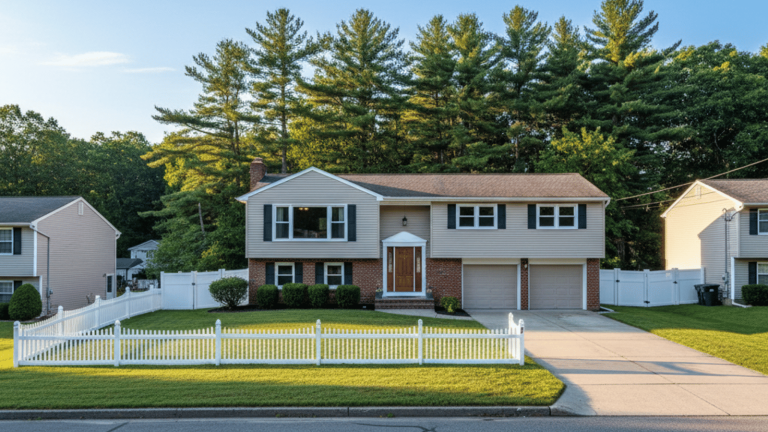
Single-family homes do exist, but they are less common than in neighborhoods like the North End. When you do find them, they tend to be older Capes or Colonials on smaller, manageable lots.
Price Perception & Inventory
As we move through 2026, the secret is largely out. While Piscataquog is generally more affordable than Hanover Hill or the North End, prices have appreciated significantly.
- Median Home Prices: You can generally expect well-maintained properties to land in the $400,000 to $450,000 range.
- Rental Market: Because of the density, the rental market is robust. A renovated 2-bedroom unit in this area can command between $1,600 and $2,000 a month, depending on finishes and parking availability.
It is a competitive market. Because the multi-family numbers make sense for investors, well-kept buildings often see multiple offers.
Lifestyle & Amenities: Recreation Meets Urban Convenience
One of the biggest misconceptions about the West Side is that it is strictly concrete and asphalt. In reality, Piscataquog has access to some of the best outdoor recreation in the city.
Piscataquog River Park is a standout feature. It covers over 100 acres and offers hiking trails and boat access, providing a massive green lung right next to the neighborhood. If you are into cycling or running, the Piscataquog Rail Trail is a 2.1-mile paved path that cuts through the area, connecting you out toward Goffstown or straight into the heart of the city.
For pedestrians, the Hands Across the Merrimack Bridge is a lifestyle game-changer. This former rail bridge is now a dedicated footbridge connecting the West Side directly to the East Side. It’s a popular spot for morning jogs or evening walks, offering iconic views of the mill yard skyline.
On the commercial side, South Main Street is dotted with long-standing staples. You have spots like Elite Pizza that have been feeding locals for years, various thrift stores, and smaller service businesses. The neighborhood is also anchored by Catholic Medical Center (CMC), which brings a lot of healthcare professionals and steady foot traffic to the area.
Commuting & Transportation: A Strategic Location
For commuters, living in Piscataquog offers strategic advantages, mostly due to how close you are to the highway.
- Driving: You have immediate access to I-293 via Exit 5 (Granite Street) or Queen City Avenue. This makes getting to Nashua or Concord an easy highway hop.
- Walkability: If you work downtown, this is one of the few neighborhoods where you can genuinely ditch the car. A walk from Granite Square to Elm Street takes about 15 to 20 minutes.
- Public Transit: The area is well-served by the Manchester Transit Authority (MTA), making it easy to get around without driving.
The trade-off for this convenience is traffic. The Granite Street Bridge is a major artery. During rush hour, the intersection at Granite Square can get backed up. However, for many residents, the ability to be on the highway in two minutes outweighs the evening congestion.
Living in Piscataquog: Pros & Cons
Every neighborhood has its trade-offs. Here is a realistic look at what it is like to call this area home.
The Pros:
- Affordability: You typically get more square footage or rental potential for your dollar here than on the East Side.
- Trail Access: The proximity to the Rail Trail and River Park is excellent for urban hiking and biking.
- Location: You are walkable to downtown dining and jobs without paying downtown rent prices.
The Cons:
- Urban Noise: Between the highway, the hospital helicopters, and the city traffic, it is not a quiet suburban enclave.
- Density: If you are looking for a sprawling backyard and privacy, the triple-decker layout might feel too crowded for you.
- Safety Perception: It is an urban environment. While many blocks are quiet and residential, others are busier, and prospective residents should drive the streets at night to see if it matches their comfort level.
FAQ: Common Questions About Piscataquog
Piscataquog is a neighborhood with a lot of character and value, particularly for those who appreciate urban living. It has a strong working-class history and is currently seeing significant investment, though it is denser and busier than the suburban outskirts of the city.
It is incredibly close. Granite Square is just across the bridge from downtown, which is about a 5-minute drive or a 15-to-20-minute walk to Elm Street.
The real estate market here is dominated by multi-family homes, specifically triple-deckers (3-unit buildings). However, you can also find older colonial and cape-style single-family homes scattered throughout the residential side streets.