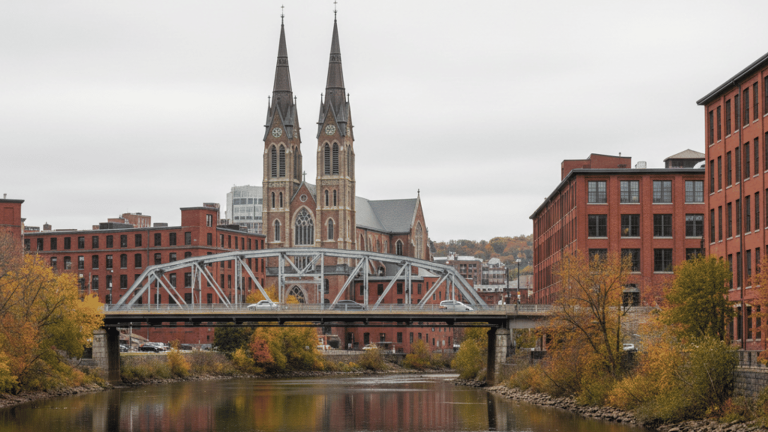

If you ask locals where the most desirable place to live in the city is, you’ll hear “The North End” more often than not. It is widely considered Manchester’s premier residential district, offering a blend of architectural character and quiet streets that you just don’t find elsewhere.
Geographically, we usually define the North End as the area north of Bridge Street or Webster Street, centered around the main arteries of Elm Street, Union Street, and River Road. It feels worlds apart from the hustle of the city center, yet it’s only a few minutes away.
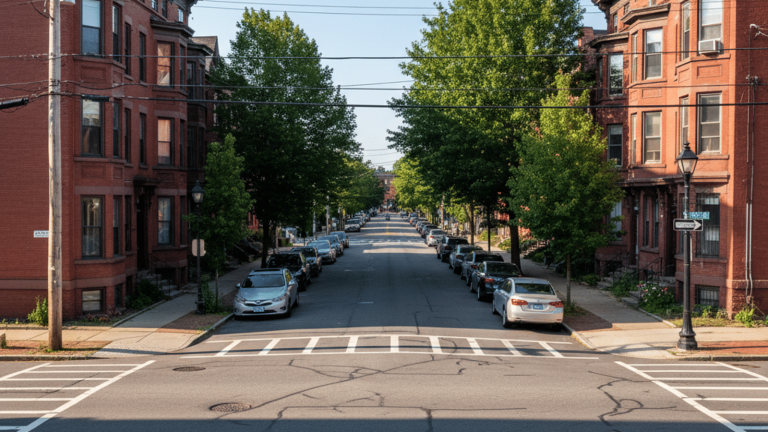
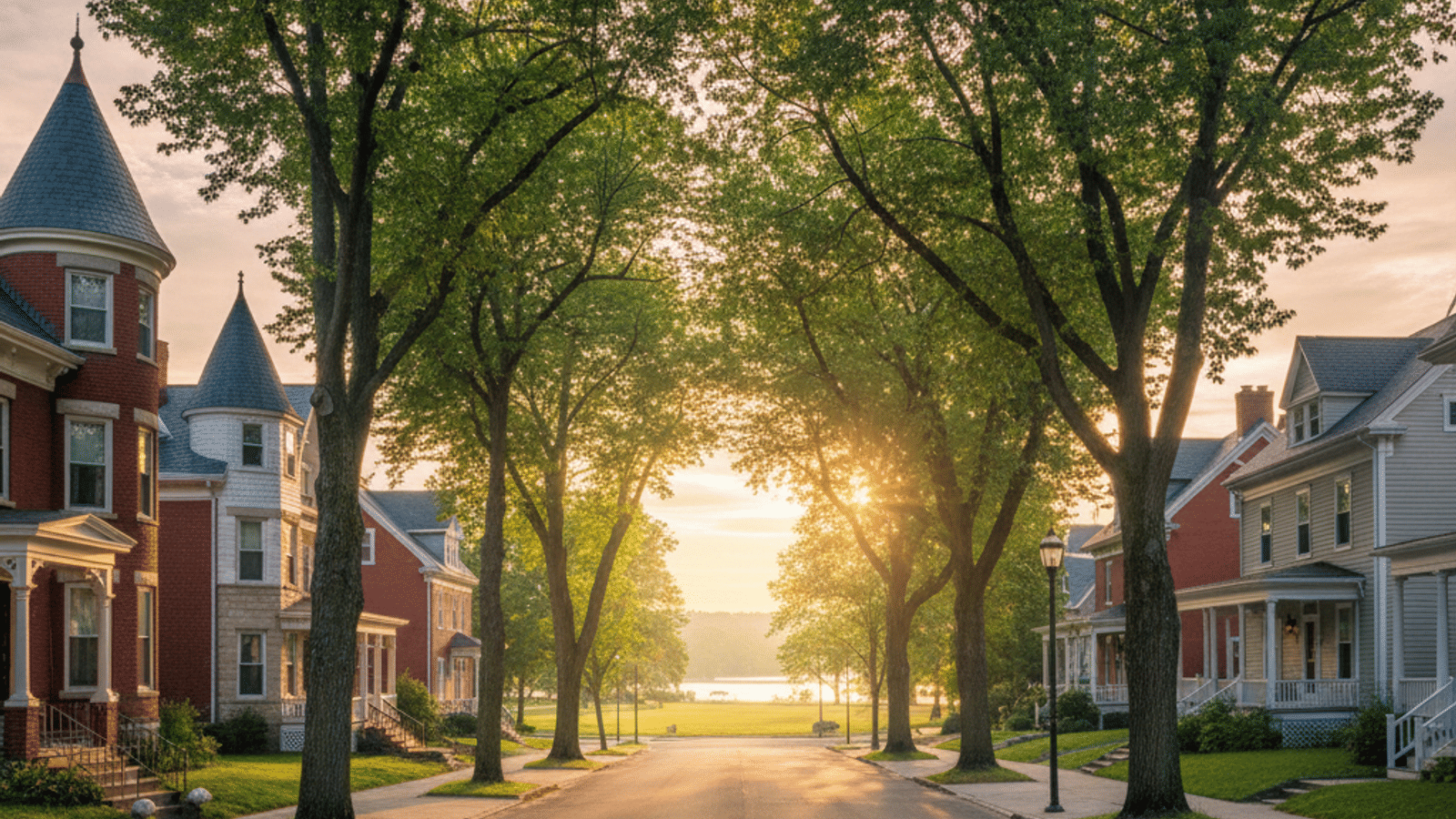
The vibe here is distinct. You have tree-lined streets framing a timeline of American architecture, from grand Victorian mansions to solid brick Colonials and sleek Mid-Century Modern homes. It appeals to what we call the “Urban Sophisticate”—buyers who want the walkability and culture of city life but crave a distinct, established neighborhood to come home to at the end of the day.
North End Real Estate Market (2026 Update)
If you are thinking about buying a home in NH, specifically in this pocket of Manchester, you need to be prepared for the price tag that comes with the prestige. The North End consistently commands higher prices than the rest of the city.
As of early 2026, the median sale price here hovers between $508,000 and $535,000. To give you some context, the median for Manchester as a whole sits closer to $430,000. You are paying a premium for the location, the lot sizes, and the historic integrity of the homes.
The housing stock is incredibly varied, which is part of the charm. You aren’t driving through a cookie-cutter subdivision. On one block you might see a turn-of-the-century mansion that has been converted into luxury condos, and on the next, a classic mid-century modern ranch or a sprawling colonial.
Inventory dynamics remain tight. Even though the market cooled slightly toward the end of 2025, we are still seeing seller-leaning conditions. Well-priced homes in the North End tend to go under contract in about 30 to 35 days. If a property is polished and priced right, it moves fast.
For those not ready to buy, the rental market here is competitive. There is high demand for units inside the large, converted historic homes that line the main boulevards. You can expect to pay around $1,700 to $1,900+ for a nice one-bedroom apartment in this area.
Lifestyle & Recreation: Life by the River
When people talk about the quality of life in the North End, the conversation almost always starts with Stark Park. This is the neighborhood’s crown jewel—30 acres of green space dedicated to General John Stark. It’s not just a park; it’s a community hub. You’ll find residents walking their dogs along the paths, admiring the statue, or just taking in the sweeping views of the Merrimack River.
During the warmer months, the Stark Park Summer Concert Series is a massive draw. The bandstand comes alive with music, and neighbors bring lawn chairs and blankets to enjoy free performances. It’s a staple of local summer life that really knits the community together.
Just to the north, adjacent to the neighborhood, you have Livingston Park. This offers a different kind of recreation, featuring Dorrs Pond, a public pool, a running track, and extensive playgrounds. Between these two major parks, you have incredible access to outdoor space without ever leaving the city limits.
Walkability is also a huge factor here. While it’s a residential area, the sidewalk infrastructure is excellent. It’s very common to see runners, cyclists, and strollers out at all hours of the day.
Dining & Entertainment: Local Favorites
One of the misconceptions about residential neighborhoods is that you have to drive far for a good meal. That’s not the case here. While the North End is quieter than downtown, it hosts some top-tier spots and is minutes away from the rest.
The North End Bistro on Elm Street is a true local institution. It’s intimate and known for fantastic Italian-American fare, so you’ll definitely want to make a reservation. For a more casual morning vibe, Brother’s North End Diner is the classic spot for breakfast, offering that “everybody knows your name” community feel.
Of course, one of the biggest perks of living in Manchester NH in this specific location is the proximity to the city center. Residents are a quick 3 to 5-minute drive from the “Millyard”—home to spots like The Foundry for farm-to-table dining—and the main Elm Street strip. You are close enough to enjoy the nightlife but far enough away to avoid the noise.
Culturally, the neighborhood is anchored on its southern edge by the Currier Museum of Art. It’s a world-class museum right in your backyard, offering not just art galleries but also the popular Winter Garden Café.
Education & Schools
For households considering the educational landscape, the North End is served by several well-regarded institutions.
In terms of public education, Webster Elementary is often cited as a community anchor. It is a historic school located directly within the neighborhood, making it a focal point for many residents. For older grades, Hillside Middle School and Central High School generally serve this zone, though it is always smart to verify current district maps as lines can shift.
If you are looking at private options, the location is very convenient. The Derryfield School is located just to the north, and Trinity High School is also nearby. Additionally, the academic vibe of the area is influenced by Southern New Hampshire University (SNHU), which sits just across the river, bringing a distinct energy to the broader community.
Commuting from the North End
Logistically, this is one of the easiest places to live if you need to get around the state or down to Boston.
Highway access is immediate. You can hop onto I-93 via Exit 9 or Exit 8 in minutes, or cross the Amoskeag Bridge to hit Route 3 and the Everett Turnpike. This makes the Manchester real estate market in the North End particularly attractive to commuters.
If you work downtown, your commute is negligible—a 5-minute drive or a short bus ride on the MTA routes. For those traveling further afield, Manchester-Boston Regional Airport (MHT) is roughly 15 to 20 minutes south, making business travel a breeze.
For the Boston commuters, you are looking at approximately 50 to 60 minutes to reach the city without heavy traffic. It’s a very feasible drive for hybrid workers who only need to go into the office a few times a week. Most residents here drive alone, with average commute times clocking in under 20 minutes for local jobs.
North End vs. Other Neighborhoods
If you are trying to decide where to land, it helps to compare the North End to other popular Manchester areas.
- Vs. The South End: The North End is generally quieter and more affluent, with larger lots. The South End is denser and often more affordable, which might appeal to buyers with a stricter budget.
- Vs. Hanover Hill: Both neighborhoods offer unmatched city views and beautiful historic homes. However, the North End has the advantage of closer river access and the direct amenity of Stark Park.
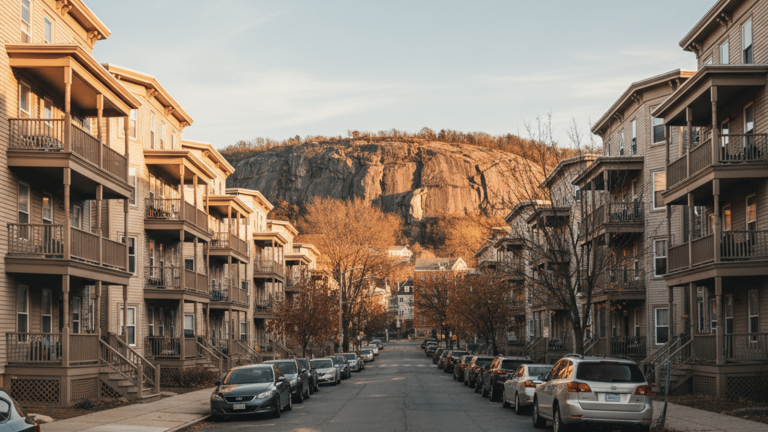
- Vs. Rimmon Heights (West Side): The West Side offers significant value, especially if you are looking for multi-family homes. The North End, by contrast, is predominantly single-family owner-occupied, which creates a different streetscape and atmosphere.
Is the North End Right for You?
Choosing a neighborhood is personal, but the North End tends to attract those seeking character, quiet, and a strong sense of community.
Pros:
- Stunning architecture and streetscapes.
- Access to Stark Park and the Merrimack River.
- High perception of safety and stability.
- Unbeatable location near highways and downtown.
Cons:
- Higher price point compared to the rest of the city.
- Older homes often require more maintenance and care.
If you appreciate the charm of squeaky hardwood floors, high ceilings, and evening walks by the river, this might be your spot. It’s a place where history meets modern convenience. I highly recommend taking a drive down River Road or Elm Street to see if it feels like home.
Frequently Asked Questions
As of early 2026, the median sale price in the North End is between $508,000 and $535,000. This is significantly higher than the citywide median, reflecting the area’s premium status and desirable housing stock.
Yes, the North End is considered very walkable for a residential district, with a walk score often hovering around 70. Sidewalks are prevalent throughout the neighborhood, making it easy to walk to Stark Park, Webster School, or even down to the bistro.
Stark Park is the primary green space within the neighborhood, featuring 30 acres of walking paths and river views. Livingston Park is also located immediately adjacent to the north, offering a pool, pond, and track.
The North End is located just about one mile north of the central business district. It typically takes about 5 minutes to drive downtown, or it’s a short bus ride or bike ride away.