
First things first: if you are looking for prices in British Pounds (£) or flats near Old Trafford, you have taken a wrong turn across the Atlantic. We are talking about the Queen City – Manchester, New Hampshire.
If you are planning a move here, you probably want the numbers straight up. As of early 2026, the average rent in Manchester typically lands between $1,770 and $2,050 per month. That range depends heavily on who you ask (sources like Zillow and RentCafe track slightly different data) and whether you are looking at a brand-new luxury build or a classic older home.
The good news is that the market seems to be taking a breath. After the aggressive price hikes we saw a few years ago, trends entering 2026 show prices have stabilized or are seeing very slow growth (+2-4%). While it is still expensive for Northern New England, Manchester continues to offer urban living at a massive discount compared to Boston – usually about 40% to 50% cheaper.
Rental Market Outlook: Will Rents Go Down in 2026?
One of the most common questions I get from clients is, “Should I wait a few months to see if prices drop?” The honest answer is that you probably shouldn’t hold your breath for a major price crash.
Based on current data, rents are unlikely to drop significantly this year. Instead, we are looking at a period of stabilization or modest increases in the 2% to 5% range. The reality is that supply and demand are keeping a floor on prices. We have a steady stream of commuters moving up from Massachusetts who find our rents affordable compared to Boston, and there simply isn’t enough new inventory being built to outpace that demand.
However, vacancy rates remain tight, so landlords have little incentive to lower the base rent. That said, if you are looking for living in New Hampshire pros and cons, timing is everything. You are much more likely to find a “deal” or a move-in special (like one month free) if you search during the winter months (November through February) rather than the peak summer moving season.
Average Rent by Apartment Size
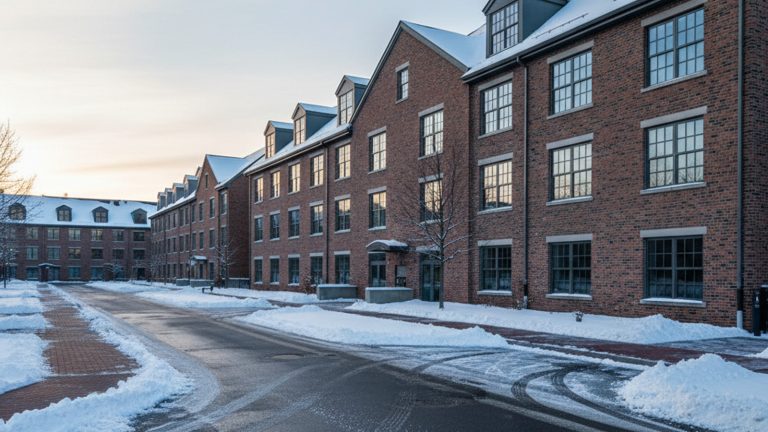
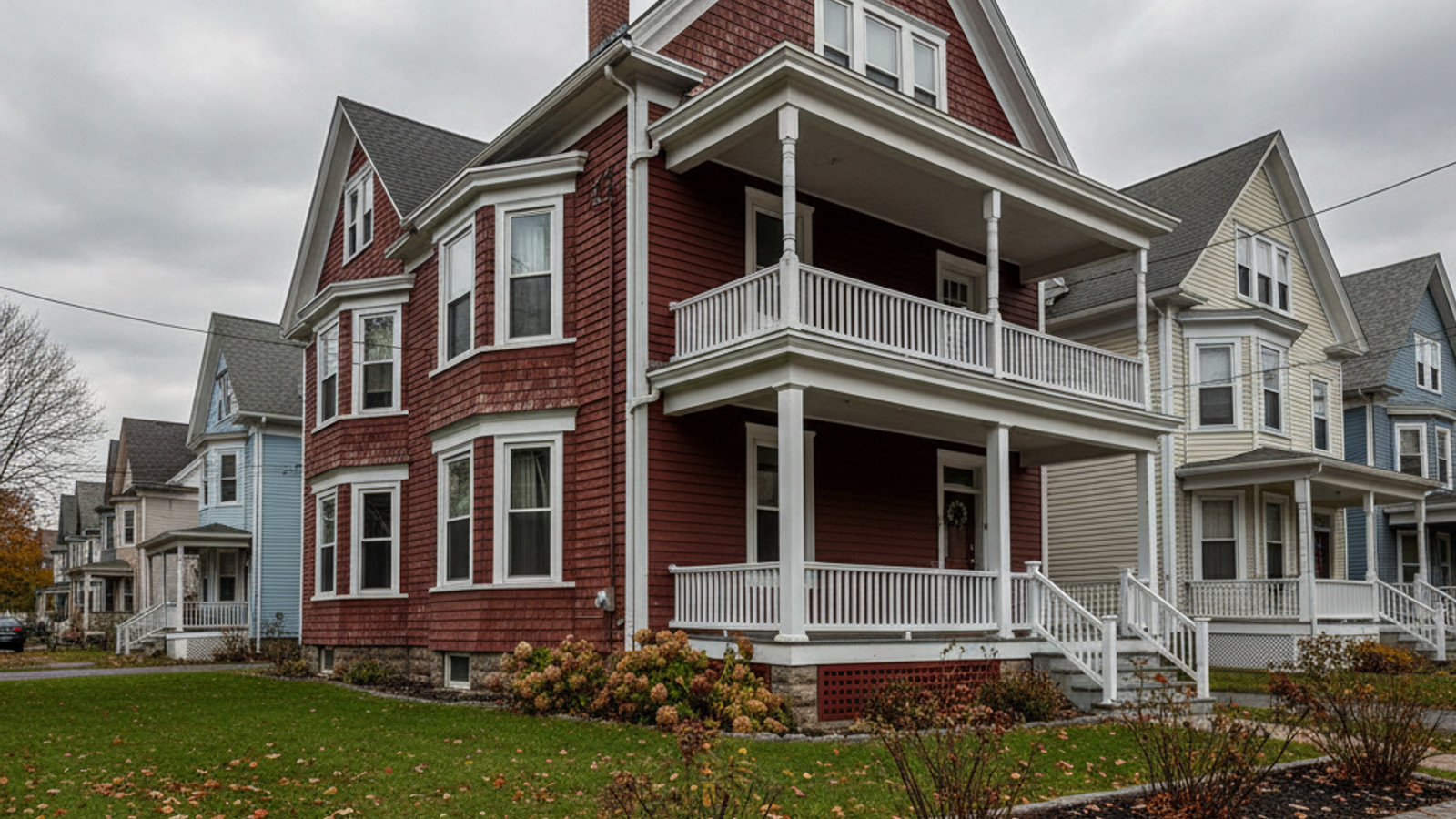
When budgeting, it helps to know exactly what your money gets you based on the unit size. Keep in mind that Manchester has two distinct types of inventory: “Mill Lofts” (brick, exposed beams, premium pricing) and “Triple-Deckers” (older wood-frame multi-families, usually cheaper).
Here is a breakdown of what you can expect to pay monthly:
- Studios ($1,300 – $1,450): These are surprisingly hard to find in Manchester. Inventory is limited, so when they pop up, they go fast. They are usually best for solo students or commuters who travel light.
- 1-Bedroom ($1,700 – $1,850): This is the most common unit type for young professionals. If you are looking at a luxury building in the Millyard, expect this number to jump by $200-$400.
- 2-Bedroom ($2,000 – $2,200): These are very popular for roommates or people needing a home office. You can sometimes find older units in triple-deckers for slightly under $2,000, but they move quickly.
- 3-Bedroom+ ($2,500 – $3,000+): At this price point, you are often looking at renting a single-family home or a massive floor in a multi-family building.
If you are just starting your search, it is smart to build an apartment hunting checklist that accounts for these variances so you aren’t shocked by the price tags on the newer buildings.
Rent Prices by Neighborhood & Zip Code
Manchester is a city of pockets, and the zip code you choose dictates both the price and the lifestyle. A 2-bedroom in the North End is going to cost—and feel—very different from one on the West Side.
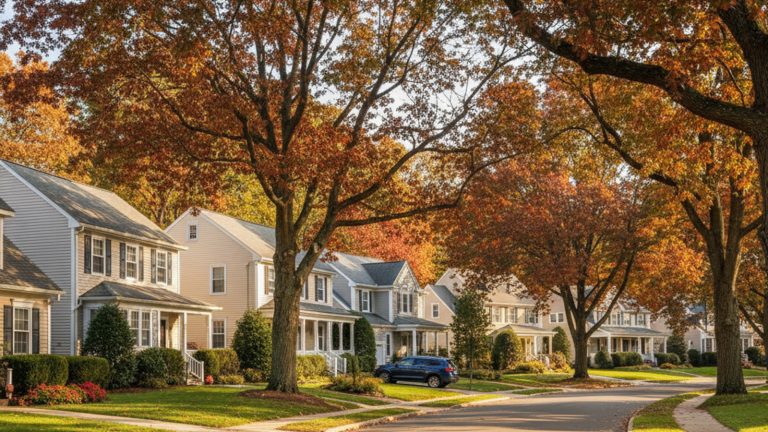
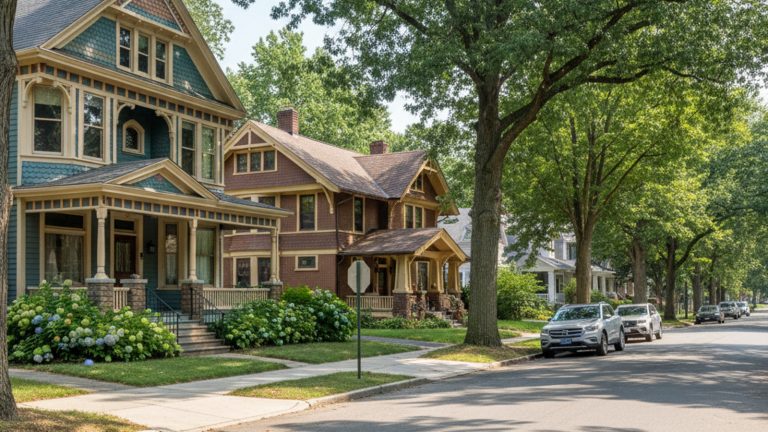
North End (03104) This is often considered the “premium” residential area. You will find tree-lined streets and historic Victorian homes here. Naturally, rents are higher; expect to pay $2,000+ for a decent 2-bedroom apartment. It is a popular spot for people who want a quiet, suburban atmosphere while still being in the city limits.
Downtown / Millyard (03101) If you want walkability to Elm Street dining and nightlife, this is the spot. This area commands the highest price per square foot, specifically for the converted mill lofts. You are paying for the aesthetic and the location. Expect $2,200+ for chic 1-bedroom units that feature exposed brick and high ceilings.
South Side / Bakersville (03103) The South Side generally offers more affordable options. It is incredibly convenient for commuters because of the easy access to the airport, the Mall of New Hampshire, and I-293. The housing stock here is mixed, but you can often find better value per square foot than in the North End.
West Side (Rimmon Heights) Historically a working-class area, the West Side is seeing some modernization. This is often where you find the best “value plays”. Rents here can be slightly lower than the city average, making it a solid option for budget-conscious renters who don’t mind a short drive or walk across the bridge to get downtown.
Student Housing Costs: SNHU & UNH Manchester
If you are a student, the rental landscape looks a little different. Manchester is a college town, hosting both Southern New Hampshire University (SNHU) and UNH Manchester, but the housing dynamics for each are distinct.
UNH Manchester is a commuter campus located right in the Millyard, meaning there are no traditional dorms. Students here typically rent apartments in the Millyard lofts (if they have the budget) or look for more affordable options on the West Side. SNHU has a traditional campus, but many upperclassmen choose to live off-campus in the North End or near Hooksett.
For students splitting costs, the magic number is usually $800 – $1,000 per room in a shared 2 or 3-bedroom apartment. The West Side is generally the most popular area for students trying to keep costs low, while Downtown is preferred by those who want to be close to the action.
Total Cost of Living: Utilities & Hidden Fees
The rent check is the biggest expense, but in New Hampshire, it is definitely not the only one. When calculating your budget, you have to look at the total cost of living in Manchester NH.
- Utilities: This is the big one. New Hampshire energy rates are consistently high, often hovering around 17% above the national average. In the dead of winter, you should budget $200 – $300/mo for electric and heat, especially if the apartment isn’t well-insulated.
- Heating Oil vs. Gas: This is a crucial question to ask any landlord: “Is heat included?” Older homes often use heating oil, which can be very expensive and volatile in price. If you are responsible for filling the oil tank, that is a massive winter expense you need to plan for.
- Parking: If you rent downtown, you might have to pay for a spot in a parking garage, which runs $100 – $150/mo. Most suburban complexes and multi-family homes in the neighborhoods will include off-street parking in the rent.
- Internet: Comcast/Xfinity and Fidium Fiber are the main players here. Expect to pay $60 – $80/mo for a standard high-speed package.
- Application Fees: These are standard, usually costing $30 – $50 per adult applicant to cover background checks.
Is Manchester Expensive? (Comparison)
So, is it actually expensive to live here? It depends entirely on where you are coming from.
If you are comparing Manchester vs. Boston, Manchester is an absolute bargain. You are likely getting more square footage for rent that is 40-50% less than what you would pay for a shoebox in Fenway or Cambridge. This is the main driver of the local market right now.
When compared to Nashua, prices are fairly comparable. Nashua can sometimes be slightly pricier just because it is geographically closer to the Massachusetts border, but Manchester tends to offer more of a “city” vibe with better nightlife and dining options.
However, compared to the National Average, Manchester is roughly 9-10% higher. This reflects the high demand in New England and the general housing shortage in the state. It’s not cheap, but for the region, it offers a lot of value.
Frequently Asked Questions
What is the average rent in Manchester, NH in 2026?
As of early 2026, the average rent generally falls between $1,770 and $2,050 per month. This varies significantly based on whether you are looking for a studio, which is cheaper, or a luxury multi-bedroom unit.
Is utilities usually included in rent in Manchester?
It depends on the building age. In older multi-family homes (“triple-deckers”), heat and hot water are sometimes included. However, in newer luxury builds and managed complexes, you typically pay for all utilities separately, which can add significant cost.
What salary do I need to live in Manchester, NH?
If you follow the standard rule of spending 30% of your income on housing, you would need an annual salary of roughly $70,000 to $80,000 to comfortably afford an average 1-bedroom apartment here.
Is rent cheaper in Manchester or Nashua?
Manchester is often slightly cheaper or on par with Nashua. Nashua’s prices are propped up by its immediate proximity to the Massachusetts border, while Manchester offers a bit more inventory and urban density.
Will rent prices in Manchester go down soon?
It is unlikely that rent prices will drop significantly in 2026. Experts forecast stabilization or a modest increase of 2-5% due to low vacancy rates and high demand from commuters.