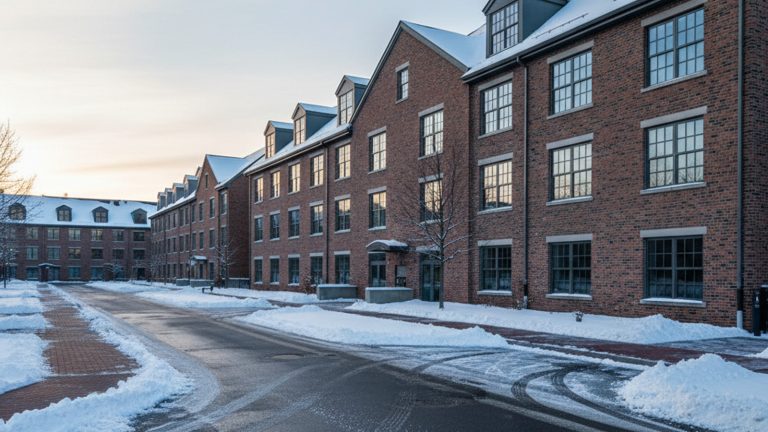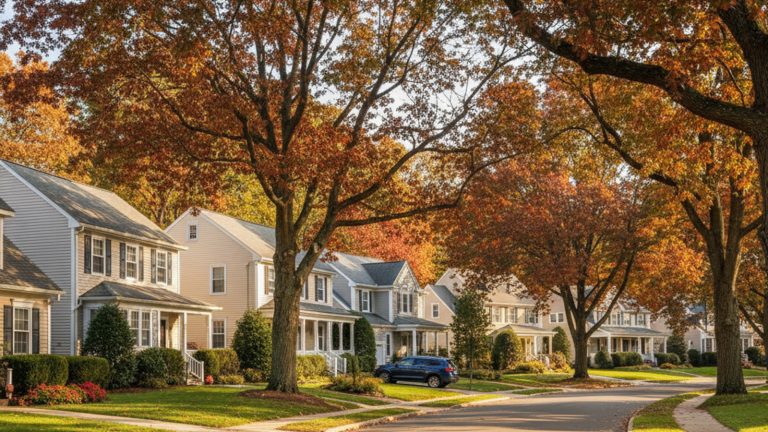

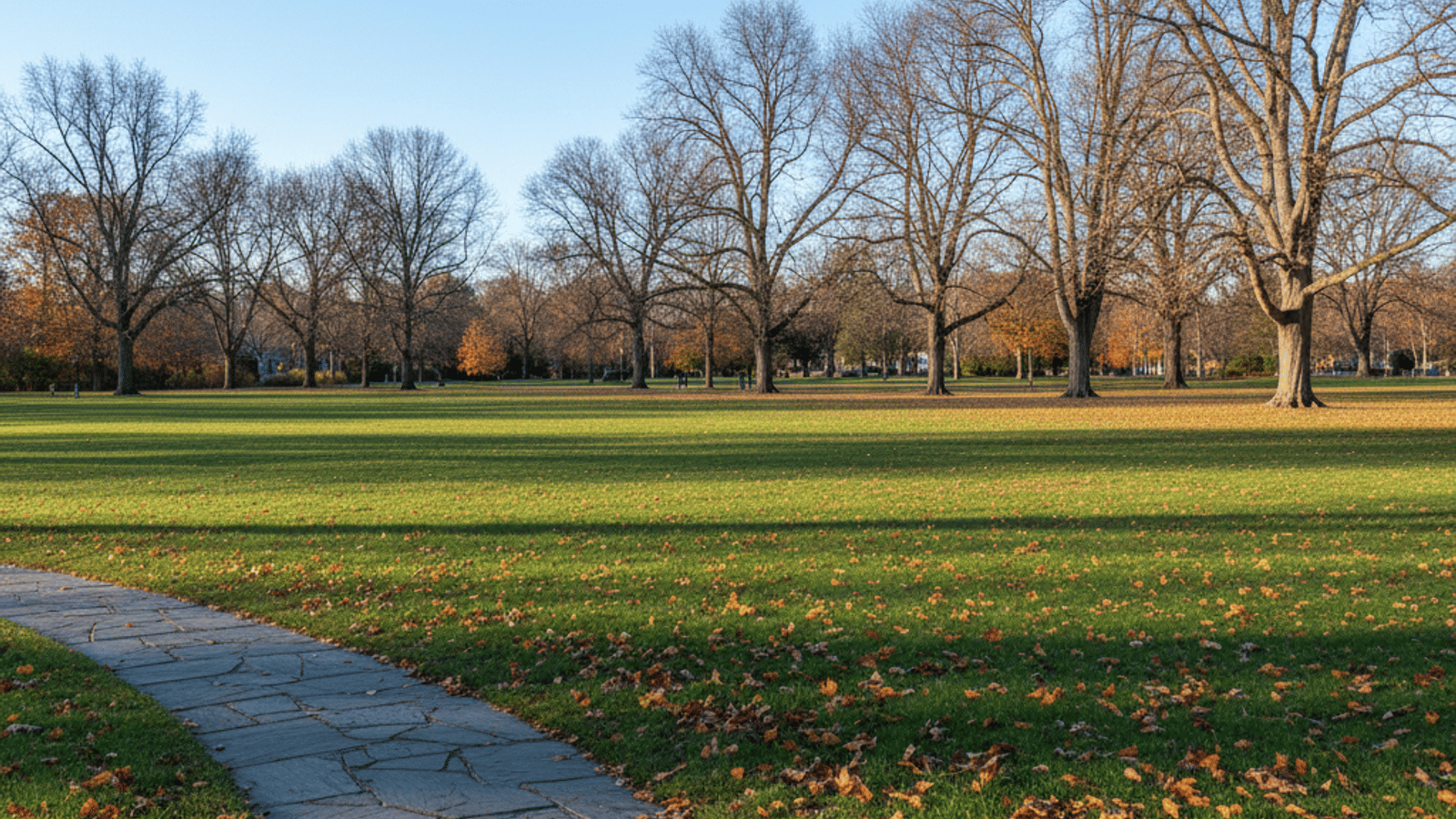
Manchester is New Hampshire’s largest city, and it wears the nickname Queen City well. Mill buildings along the Merrimack River frame downtown Manchester, while tree-lined streets in the north end and west side offer a quieter residential pace.
On a typical weekend, you might grab coffee on Elm Street, swing by the Currier Museum of Art, then cut over to Stark Park before heading across the river toward the west side for dinner. The city’s scale feels workable. Most neighborhoods sit within a short drive of Interstate 293 or Route 3, and Manchester-Boston Regional Airport keeps regional travel simple. If you’re considering moving to New Hampshire, check out houses for sale in Manchester, NH.
Why Is Manchester, NH a Desirable Place to Live?
Location matters. Manchester sits in southern New Hampshire with quick access to the Seacoast, the Lakes Region, and the Boston metro. The Merrimack River runs north to south through the city, and many Manchester neighborhoods cluster along the river’s east and west banks. Daily needs are straightforward. Manchester’s Elm Street corridor anchors restaurants and services, and the Mall of New Hampshire on South Willow Street draws major retailers. When winter arrives, McIntyre Ski Area operates right in the city, so a few after-work laps are realistic for anyone living in central Manchester.
Services help daily life run smoothly. The Manchester Transit Authority operates fixed routes and paratransit, with commuter links to Nashua, Concord, and Salem. Two major health systems, Elliot Hospital on the south side and Catholic Medical Center on the west side, serve the Manchester area with emergency care, specialty clinics, and primary care options. Cultural and recreation options span the Currier Museum in the north end, the Palace Theatre downtown, Stark Park’s trails, and the west Manchester branch library. The result is a compact city where amenities, community services, and outdoor recreation remain close to most residential neighborhoods.
What Are the Top 5 Most Popular Neighborhoods in Manchester, NH?
Manchester’s housing choices range from single-family homes and multifamily homes in walkable blocks to larger lots in a largely suburban neighborhood setting on the edges. The following areas appear often in best places to live selections and everyday conversations around the Manchester neighborhood scene. Price points vary by street and housing style, so consider home value trends when you compare options.
North End
The north end is a sought-after neighborhood known for older colonials, cape cods, and early 20th-century architecture on quiet streets east of Elm and north of Bridge. Many streets connect quickly to the Currier Museum of Art and Stark Park, and daily errands downtown are a short drive. Homes include renovated single-family properties and small multifamily buildings that add flexibility for buyers looking at rental income. Inventory can be limited because turnover is slower, which often supports stronger home value over time compared with some nearby neighborhoods.
Lifestyle leans residential with easy access to amenities. The north end’s proximity to central Manchester keeps dining and services within minutes, yet the blocks themselves feel calm. Commuters can reach I-93 via Bridge Street or Webster Street with predictable drive times during most of the day. The balance of neighborhood charm and central access explains why this area shows up frequently in best Manchester neighborhoods lists.
West Side and Rimmon Heights
Manchester’s west side sits along the Merrimack River across from downtown, with Rimmon Heights rising near Rock Rimmon and the west Manchester branch library. Housing includes single-family homes on modest lots, three-decker multifamily buildings, and streets with city views. The west side has long been a practical choice for living in Manchester due to its quick connections across the river, and it remains a steady option for buyers balancing home prices with access to services.
Local lifestyle features real parks and river adjacency. Rock Rimmon provides hiking and views back across the Merrimack River toward central Manchester, and Island Park sits close to the water. Daily errands along Second and McGregor Streets are straightforward, and Catholic Medical Center anchors healthcare on this side of town. The mix of residential blocks, amenities, and outdoor recreation makes west Manchester a consistent pick for people who want neighborhood variety in a compact footprint.
Piscataquog and Notre Dame
Piscataquog and the Notre Dame area stretch south of Rimmon Heights toward Second Street and the river, with a street grid that includes long rows of multifamily homes and smaller single-family properties. Buyers who want a Manchester neighborhood with classic New England housing types often target these blocks, since wood-frame multi-units and traditional capes sit side by side. Access to downtown Manchester is quick via the Bridge Street or Granite Street bridges, and commuters can reach I-293 in minutes.
Amenities cluster nearby. Groceries, local restaurants, and service businesses run north to south along Second Street and South Main. Parks and the river corridor break up the grid with green space, and bus routes connect to central Manchester. If you enjoy older housing stock and a residential neighborhood that ties directly into the city’s historic fabric, this pocket is worth a close look.
Green Acres
Green Acres sits on the east side of the city, and its name hints at the largely suburban neighborhood feel. The housing stock tilts more heavily to single-family homes on mid-sized lots than some central Manchester blocks. Many streets offer quick access to Candia Road and I-93, which works well for southbound and northbound commuters. The area appeals to buyers who want residential streets, garages or driveways, and a yard without pushing far into the outer suburbs of southern New Hampshire.
Daily life here is built around short drives to essentials. Supermarkets and services along Hooksett Road and South Willow Street are within a manageable radius, while the Mall of New Hampshire and Manchester-Boston Regional Airport sit on the same side of the city. In winter, McIntyre Ski Area is close enough for evening skiing. Green Acres shows why neighborhoods in Manchester can feel both connected to downtown and comfortably residential.
Hanover Hill
Hanover Hill sits just east of downtown Manchester on the gentle rise past Hanover Street. Historic multifamily homes and early 20th-century single-family properties line the streets, and the location offers quick drives to central Manchester, the rail trail segments near Lake Avenue, and Interstate 93. For buyers who want character, porches, and older floor plans with woodwork, Hanover Hill has options at different price points.
This is a practical jumping-off point for city amenities. The Currier Museum sits to the north, the Palace Theatre is minutes away on Elm Street, and Elliot Hospital’s main campus is a short drive south. If your day regularly includes downtown errands and highway trips, Hanover Hill’s central location cuts travel time and keeps costs predictable.
What Are Some Up and Coming Neighborhoods in Manchester, NH?
Several nearby neighborhoods are seeing steady interest as buyers compare home prices across the Manchester area. Pockets on the west side near upgraded blocks of Rimmon Heights continue to benefit from proximity to parks, river views, and Catholic Medical Center. East-side streets that border Green Acres have also attracted attention from buyers who want a residential neighborhood feel with faster access to I-93 and the Mall of New Hampshire.
Small clusters near central Manchester show signs of reinvestment as owners update multifamily homes and convert some units. When walking these areas, note roof condition, parking layouts, and typical unit sizes. Manchester’s mix of single-family homes and multifamily homes allows varied paths to ownership, and up and coming blocks often pair walkability to Elm Street with a shorter commute to regional employers. The result is a collection of nearby neighborhoods that reward careful, street-level comparison rather than broad labels.
How to Choose the Right Neighborhood For You?
Start with a simple matrix for Manchester and score each neighbourhood against your needs: commute route (I-93, Route 3, or local), typical errands (grocery, pharmacy, school), preferred housing type (single-family with yard and garage vs walkable condo/townhome), and a realistic budget based on current prices.
Decide how much you value quick access to downtown Manchester, southern NH/Boston commutes, or Manchester-Boston Regional Airport. Add weekly amenities you actually use, like Currier Museum, Stark or Livingston Park, west-side trailheads, the Piscataquog Trail, or McIntyre Ski Area, plus proximity to major healthcare on the west or south side. Then walk a few streets in each shortlisted area at different times of day to check traffic, parking, noise and how easy it feels to reach your regular destinations, because those everyday details never show in listing photos.
FAQs
Walkability clusters around Elm Street, Hanover Street, and nearby downtown Manchester grids, then tapers as you move outward. North end streets near the Currier Museum and central east-side blocks around Hanover Hill offer additional pockets where daily errands are feasible on foot. Sidewalk coverage is extensive in central Manchester, while outer residential neighborhoods rely more on short drives.
Manchester’s west side provides quick entry to Rock Rimmon and Island Park along the Merrimack River. The north end links to Stark Park and short residential loops that residents use for daily runs. East-side neighborhoods sit closest to McIntyre Ski Area for winter laps and to trail connections that thread into the rail trail network. These options mean outdoor recreation is rarely more than a short drive from most addresses.
Older streets near central Manchester show classic New England styles like colonials and cape cods, along with triple-decker multifamily homes. Green Acres and other outer residential neighborhoods tilt more to post-war single-family homes with driveways and yards. Renovations in many nearby neighborhoods mix updated interiors with preserved trim and porches, which influences home value and market appeal.
The east side concentrates retail near the Mall of New Hampshire and South Willow Street, and it offers fast highway access and proximity to the airport. The west side emphasizes parks and river access, along with daily services around Second and McGregor Streets. Downtown Manchester remains the citywide hub for dining and entertainment, so most neighborhoods are within a short drive of Elm Street.
The Manchester Transit Authority runs fixed routes and paratransit across the city, with commuter options to Nashua, Concord, and Salem. Schedules cover early morning through evening on weekdays, with Saturday service and wheelchair-accessible vehicles. For regional and national trips, Manchester-Boston Regional Airport provides commercial flights and keeps travel time lower than driving to larger airports for many routes.
The north end and central blocks near Elm Street sit closest to the Currier Museum of Art and the Palace Theatre. Downtown events are reachable from west Manchester with short drives over the Bridge or Granite Street bridges. Citywide, the compact street grid makes it easy to combine errands, galleries, and parks in a single outing.
Decide whether you want a yard and garage first, then compare total monthly costs. Single-family homes in a largely suburban neighborhood setting add yard maintenance to the budget, while multifamily homes can offset costs with rental income if local rules and lender guidelines are met. In Manchester, the mix of both types lets buyers adjust strategy to match location, price, and long-term plans.